
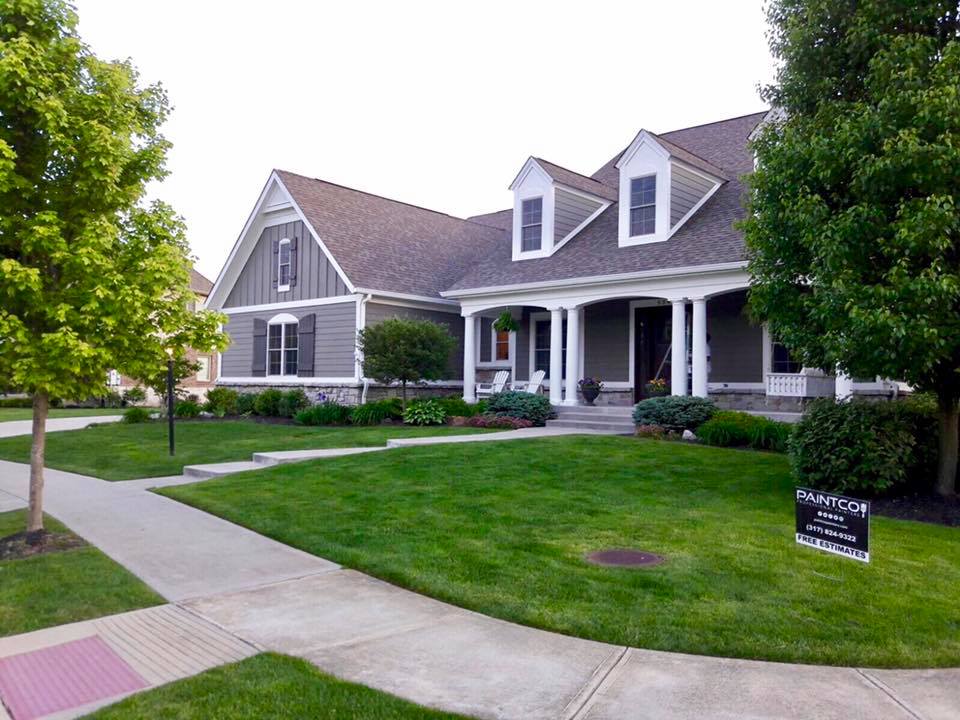
There are many reasons you may be thinking about painting your home. You may have faded, peeling paint, or you may not like the color. Yet another common reason for painting a house is the desire to sell it. Almost anyone selling their home has a few things in common: they want to sell it at the highest price possible, they’d like it to be relatively hassle-free, and they don’t want to wait around for a long time waiting for a buyer. Of course, there are degrees of need, but these desires seem universal. One of the most common questions we get from home sellers is, “what color should I paint my house for resale?” They want to know if there is a prescription for exterior and interior paint colors to help with sale speed and price.
You might be new to the home selling game, not versed in “home-marketing,” or not familiar with the idea of “staging.” And you might be wondering why colors matter and if you should sell your home as it is. You can sell a home “as is,” but the speed and price of the sale may be affected. As F.C. Tucker notes, buyers touring homes for sale have difficulty imagining themselves in a house loaded with knick-knacks and personal touches. Paint color can be one of the biggest buyer distractions. That said, let’s dig into some expert color recommendations.
Exterior House Paint Color Tips
Check out what experts say. Twelve recommended colors from home improvement expert Bob Vila’s blog are:
Gray
Taupe
Putty
Pale
Yellow
Neutral Green
Wheat
White
Brown
Light Blue
Blue Gray
Off-white
That’s a lot of colors! Let’s break down his analysis to make it easier. If you are looking for a trend within this set of twelve colors, you’ll find a lot of neutrals. And when Vila’s team does recommend more primary colors like green, brown, or yellow, he generally recommends muted hues of those colors. These softer colors will be more stable in outdoor exposure, won’t go out of style quickly, and will work well with a variety of trim or accent colors.
Consider the style of house. While you will often hear realtors steering you away from reds or yellows, every situation is different. A red may work well in a home that’s set in a rural location, surrounded by grass and blue sky. Red with white accents can give it an appeal that is both classic and fresh. White may be just right for a clapboard or Colonial-style home in Indiana. A saturated brown may work well for a more ornate home style such as Tudor or Victorian in a particular setting.
Factor in location. A home in a coastal city surrounded by palm trees will be a candidate for slightly more bold colors, even pastels. A house in Indiana may follow current trends, like a preference for blue-grays. An HOA or neighborhood norms may also impact color decisions. Your choices of exterior color should factor in these environmental, cultural, and site-specific concerns to create a “non-event” of the exterior paint. It should feel clean and fresh and leave the buyer undistracted.
Know which colors to not use. From the same team that provided the list above, here are seven exterior colors that home sellers should avoid to sell your home quickly. Avoid these colors:
- Black
- Tree Green
- Citrusy Green
- Bright Yellow
- Dark Brown
- Purple
- Pink
These are colors that you will see on homes, and many times, they are beautiful and done quite well. In a resale situation, they can be distracting because they feel too intense or personal to the buyer. A black, for instance, can be intimidating and unfriendly. A tree green can make a home recede or look cheap. Bright yellow might overwhelm. The whimsical pop of purple may fade or feel like a bold choice imposed on the buyer. The curb appeal should be comforting, not challenging.
Interior House Paint Color Tips
Stick with neutrals. Many times, when you hear someone talking about the best colors for interior repainting when selling, they are talking about the main rooms, be they living, dining, or family/rec space. And the advice is usually pretty simple. Keep it neutral when picking home staging colors for the main interior space. It’s the first thing people will look at online and is usually the first impression on a home tour.
Embrace shades of gray. Home decorator enthusiast site, Apartment Therapy extolls the virtues of Greige. That is not a misprint. Greige is gray with the warm undertones of beige. It may sound silly at first, but the combination is quite friendly and appealing, and variations of the color, like Sherwin-Williams “Agreeable Gray,” have been stalwarts with superstar decorators like Martha Stewart, professional painters, and DIY homeowners for years.
Consider the room. A Zillow study of 135,000 home photos analyzed interior paint color choices and sale prices against peer homes. It found that homes with softer, more neutral color options were selling for $1,100 to $1,300 more than homes with less popular colors. Dark brown and dark red correlated with selling prices as much as $2,300 less than competitors. A color’s popularity does not always translate to resale value. Zillow’s paint color analysis examined rooms for clues as to what colors detract from the sale price:
For the kitchen, stay away from red and mint green. Instead choose white, off-white or gray.
For the bathroom, don’t paint bright green, fire engine red, or yellow. Instead try light blue.
For the bedroom, steer clear of bright green and bright pink. Opt for blues of different hues.
In the larger living space, avoid eggshell, dark browns, terracotta and slate gray.
Parting Thoughts on Color Choice for Homesellers
Paint color can make a difference, especially when home inventory is low and demand is high. A freshly painted black door correlated with a home value that’s $6,000 greater than similar homes, but a black door won’t be a magic bullet for everyone. How do you decide what’s suitable for your home? Here are a few thoughts as you decide what color you should paint your house for resale:
- Consider the context. The color’ rules’ are really ‘rules of thumb’ and should not rule out the exceptions. There are instances where the natural setting, geography, or other external factors will move your color choice slightly off of the heavily worn path.
- It’s not all about color. Age matters, too. Applying a fresh coat of paint creates an impression of a home that’s been well-cared for and is welcoming. Don’t forget the finish!
- Hue is essential. Two similarly named colors can have vast differences. A slate gray may have a cool blue undertone and feel a little off-putting in a living room, while that ‘beige-ish’ gray will feel right at home in a living area with just enough depth and warmth for the room where we relax.
Painting your home can be a well-placed investment if it allows you to hold or even improve the selling price and expedite the sale. If you are considering painting your home for resale contact ONiT Painting for an accurate estimate and consistently reliable service.